How to Choose Professional Pool Care
The Ultimate Guide to Swimming Pool Maintenance: Keep Your Oasis Crystal Clear
Managing a swimming pool necessitates dedication and expertise. Proper care guarantees a sanitary and reliable environment for leisure. Critical techniques feature systematic cleaning practices and overseeing water quality. Essential tools play an important role in this process. Identifying prevalent maintenance issues can prevent larger issues from arising. As swimming pool proprietors navigate these duties, they regularly seek out the most reliable techniques. The information provided will offer guidance on maintaining a pristine aquatic oasis.
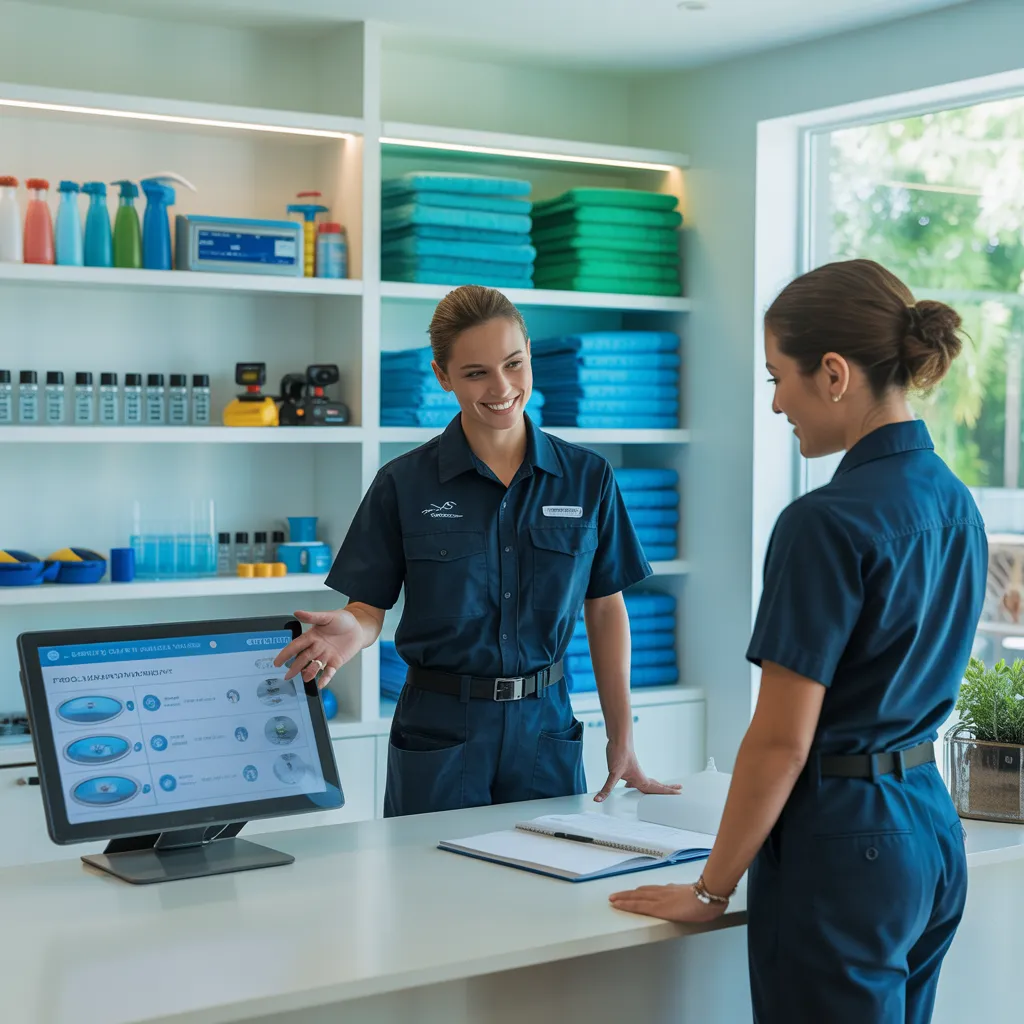
How to Maintain Your Pool: The Basics
Maintaining a swimming pool demands routine upkeep to ensure water quality and equipment functionality. Basic maintenance involves several essential tasks that should be performed consistently. To begin, skimming the surface daily clears away unwanted material, ensuring the water stays clean and uncontaminated. Additionally, scrubbing the walls and floor on a weekly basis keeps algae from developing, ensuring a sanitary and enjoyable swimming area.
Furthermore, monitoring and adjusting water chemistry is vital. This includes tracking pH levels, alkalinity, and chlorine concentration to support safe swimming conditions. Routinely cleaning or changing the pool filter optimizes circulation and filtration, while checking the pump and heater guarantees they run efficiently.
Finally , maintaining water levels is important , as evaporation can lead to imbalances . Routinely replenishing the pool water ensures the water stays at the proper level . By following these essential guidelines , pool owners can preserve a clean and welcoming swimming environment throughout the seasons .
Key Tools for Pool Maintenance
Successful pool care requires having the right tools at hand. Essential equipment includes a skimmer, which efficiently clears waste from the water's surface, maintaining water clarity. A pool vacuum, either manual or automatic, is vital for maintaining the bottom of the pool, while a brush works to scrub the pool walls to avoid algae accumulation.
A accurate testing kit is essential for tracking water quality, enabling timely adjustments. Additionally, a leaf net is useful for larger particles, especially during breezy seasons. Pool covers also play an important role in preserving pool hygiene and minimizing maintenance efforts.
Finally, a top-quality pool ladder and safety equipment boost accessibility and ensure swimmer safety. By arming oneself with these important tools, pool owners can maintain a crystal-clear oasis, creating a secure and pleasant environment for everyone.
How to Balance Your Pool Water Chemistry
Maintaining proper pool water chemistry plays a vital role in maintaining a healthy and comfortable swimming environment. Achieving proper balance requires tracking critical factors: view details chlorine levels, pH, alkalinity, and calcium hardness. The ideal pH range is typically between 7.2 and 7.8. When pH levels drop too low, it may result in skin irritation and structural corrosion, while excessive pH levels may cause water cloudiness and scaling.
Alkalinity acts as a stabilizing agent for pH, with an effective range of 80 to 120 parts per million (ppm). Adjusting alkalinity helps maintain stable pH levels. Calcium hardness must be sustained between 200 and 400 parts per million (ppm) to avoid corrosion damage to pool surfaces and equipment.
Regular testing of these parameters, by utilizing test strips or a liquid testing kit, allows for timely adjustments. Sustaining proper water chemistry balance not only supports a healthier swimming environment but also extends the lifespan of the pool and its components.
How Can You Effectively Clean Your Pool?
Numerous pool cleaning techniques can ensure a spotless swimming space. Routinely skimming of the surface clears away leaves, debris, and insects, preventing them from sinking and accumulating on the pool floor. Using a vacuum on the pool floor is essential for reducing algae buildup and dirt; automatic and manual vacuums can be applied depending on preference and pool size.
Scrubbing the walls and steps aids in preventing algae growth, especially in corners and crevices. Additionally, maintaining the filter system is essential; consistent backwashing or cleaning promotes optimal water circulation and filtration.
Employing a pool cover whenever the pool is not in use helps minimize debris accumulation and lessen cleaning requirements. Furthermore, incorporating robotic cleaners into your pool maintenance routine can automate upkeep, delivering unmatched convenience and effectiveness. By implementing these techniques consistently, pool owners can maintain a clean and inviting swimming oasis year-round.
How to Fix Common Pool Problems
Resolving common pool challenges is important for maintaining a clean and welcoming swimming environment. Cloudy water and algae infestations are common issues that pool managers may face. Finding proven approaches for these issues can help restore water quality and sanitation.
Cloudy Water Remedies
Turbid water is a widespread concern that many pool owners deal with, commonly pointing to underlying conditions that demand attention. To address this problem, it is vital to first test the water's chemical balance, paying close attention to pH, alkalinity, and chlorine measurements. Imbalanced levels can lead to cloudiness. Additionally, confirm that the filtration system is working as intended; blocked or soiled filters can significantly affect water transparency. Consistently backwashing and maintaining filters can support top-level performance. Moreover, contemplate using a clarifier to assist in clustering fine particles, rendering them simpler to remove through filtration. In addition, clearing any debris collected on the pool floor or walls can also boost water transparency. By methodically tackling these elements, pool owners can return their pool to a crystal-clear condition.
Algae Infestation Remedies
Tackling algae infestations necessitates immediate and thorough action to return the pool to a healthy state. The first step involves assessing the water chemistry to determine chlorine and pH levels, guaranteeing they are within ideal ranges. Shock treatments with chlorine or specialized algaecides can effectively kill algae. Following treatment, cleaning the pool surfaces helps dislodge any remaining algae, while vacuuming removes debris from the bottom. Regular filtration is essential; operating the pump for a minimum of 24 hours after treatment allows for thorough circulation. Prevention strategies involve maintaining proper chemical balance and regular cleaning. Moreover, installing a UV system can inhibit future growth. Monitoring for early signs of algae, including water discoloration, ensures timely action and maintains a crystal-clear pool.
Seasonal Pool Care: Everything You Need to Know
As seasons transition, caring for a swimming pool is essential to secure its long-term durability and optimal performance. Every season brings distinct challenges that call for dedicated maintenance. During winter months, effective pool winterization includes reducing water levels, securing a pool cover, and maintaining chemical balance to prevent freezing damage. Pool upkeep in spring involves clearing away debris, inspecting pool equipment, and maintaining the correct chemical balance as temperatures rise.
Summer, often the peak swimming season, requires consistent cleaning, keeping track of water levels, and regular chemical modifications owing to higher swimmer activity. To conclude, the autumn months requires clearing leaves and debris, winterizing the pool, and verifying that all pool equipment can withstand the colder temperatures.
Sticking to this seasonal maintenance schedule preserves water quality while also extending the lifespan of pool infrastructure, establishing it as a key element of responsible pool ownership. Being aware of these seasonal necessities empowers pool owners to copyright a safe and enjoyable swimming environment across all seasons.
Essential Pool Maintenance Tips
Proper pool maintenance is essential for maintaining clean and appealing water. Regular water testing, a consistent cleaning routine, and proper equipment maintenance are fundamental elements that ensure optimal performance. By following these strategies, pool owners can maximize the durability of their pools and increase satisfaction for all users.
Standard Water Testing
Routine water testing is crucial for maintaining a safe and enjoyable swimming pool. This process involves checking the water's pH, chlorine levels, alkalinity, and other chemical balances to guarantee ideal conditions for swimmers. Testing should ideally be performed at least once a week, or even more often during high-demand swimming seasons. Using a reliable testing kit, pool owners can quickly assess water quality and make necessary adjustments. Maintaining proper chemical levels not only enhances swimmer comfort but also prevents issues such as algae growth and equipment damage. Additionally, regular testing promotes a healthy swimming environment, reducing the risk of waterborne illnesses. By committing to consistent water testing, pool owners can confirm their oasis continues to be appealing and safe all year long.
Standard Cleaning Schedule
When caring for a swimming pool, creating a consistent cleaning schedule is vital for ensuring ideal water quality and a delightful swimming experience. A thoughtfully organized routine should include skimming the surface for debris at least two times a week, performing weekly vacuuming of the pool floor, and brushing the walls and tiles to keep algae from forming. Frequently cleaning the skimmer and pump baskets is vital, as blocked filters may restrict water flow. In addition, maintaining the pool's waterline by giving it a weekly wipe prevents the formation of stains. By sticking to this maintenance schedule, pool owners can lessen the demand for major cleaning tasks in the future, thus preserving the pool's overall lifespan and improving the overall pleasure of their backyard retreat.
Core Equipment Maintenance Essentials
Caring for pool equipment is vital for peak performance and longevity. Consistent inspection and maintenance of filters, pumps, and heaters promote efficient operation. Filters should be maintained or changed as advised by the manufacturer, while pumps require periodic checks for clogs and debris. Heaters must be checked for corrosion and proper function, with any needed corrections addressed quickly. Additionally, keeping the water chemistry in check helps safeguard equipment against wear, extending its lifespan. Homeowners should also ensure that hoses and skimmers are in adequate condition, replacing any deteriorated components immediately. By implementing these maintenance guidelines, pool owners can enjoy a perpetually clean and appealing swimming environment, while also minimizing the need for costly repairs.
Questions We Often Receive
How Often Should I Run My Pool Pump?
Most professionals advise cycling a pool pump for 8 to 12 hours each day, according to pool size and frequency of use. This guarantees proper filtration, chemical distribution, and water clarity, maintaining a healthy swimming environment for users.
Can I Use Regular Bleach to Sanitize My Pool?
The use of regular bleach for pool sanitization is generally not advised. It can lead to imbalanced water chemistry and potential damage to pool equipment. Purpose-made pool sanitizers are more effective and safer for preserving water quality.
What Are the Indicators of a Pool Leak?
Signs of a leaking pool encompass decreased water levels, wet areas surrounding the pool, a rise in chemical usage, and visible cracks or damage in the pool structure. Consistent monitoring allows you to spot these concerns before they worsen.
What Are the Proper Steps to Winterize My Pool?
To properly winterize a pool, homeowners should begin by cleaning the pool, lower the water level, introduce winterizing chemicals, ensure the pool is covered securely, and guarantee that all equipment has been drained and stored to avoid damage throughout the colder months.
Are There Eco-Friendly Pool Maintenance Options Available?
Green pool maintenance alternatives consist of employing solar covers, plant-based enzymes, and saltwater filtration systems. Moreover, opting for eco-safe cleaning solutions and implementing effective filtration techniques can substantially decrease chemical dependency and environmental strain throughout pool upkeep.